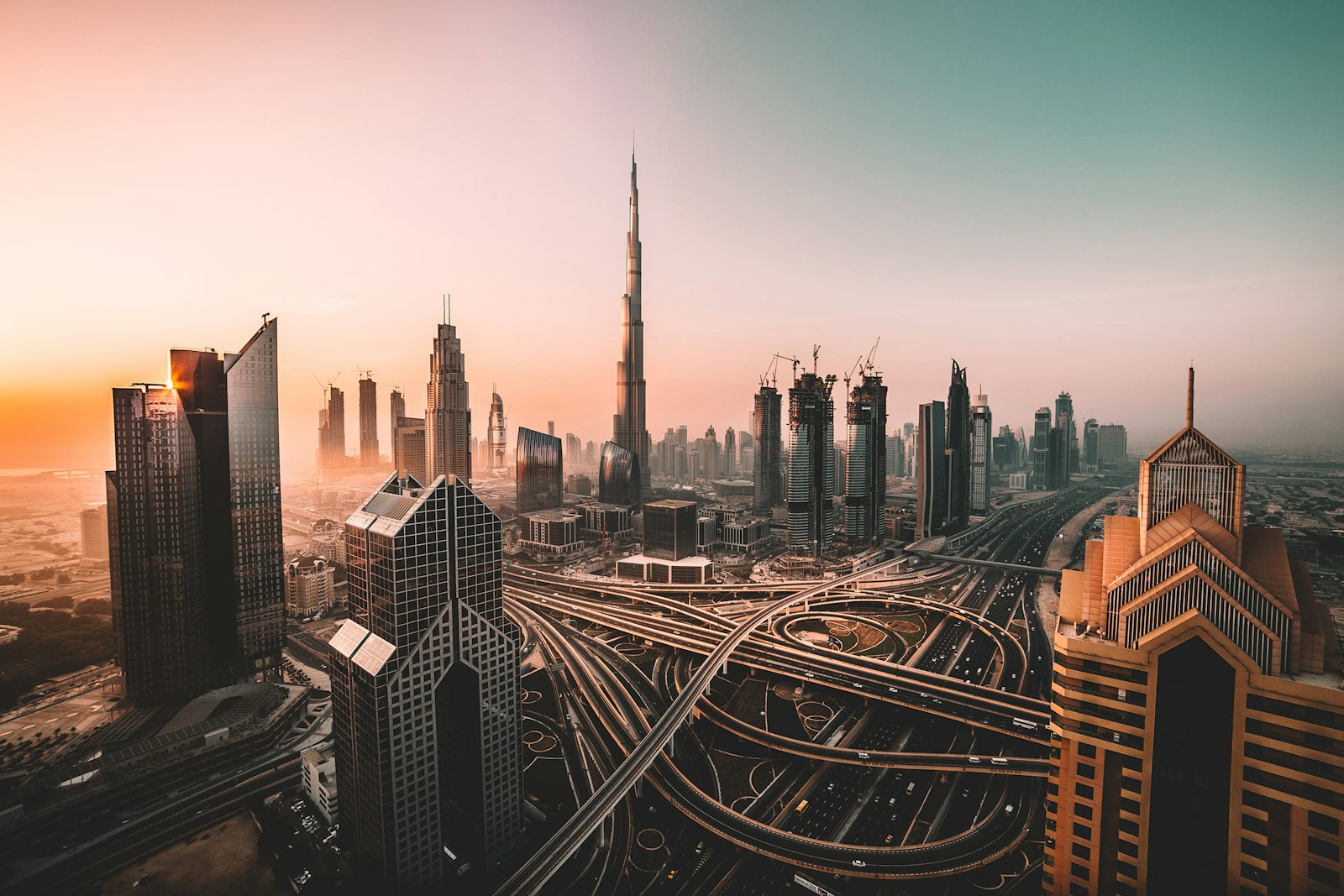
Dubai’s tourism story is no longer mainly about proving that global demand exists. It is about managing the consequences of success.
The city welcomed 19.59 million international overnight visitors in 2025, according to the Dubai Department of Economy and Tourism, a 5 percent increase from 18.72 million in 2024 and the third consecutive record year. In August 2026 alone, Dubai received about 869,000 international overnight visitors, continuing a run of month-on-month growth reported by the department.
Those figures reinforce tourism’s role in Dubai’s broader non-oil economy. They also raise a more useful question than whether the city can attract additional visitors: can every part of the visitor economy preserve quality while handling greater volume?
Capacity is not just a hotel-room count
A destination can add rooms and still create pressure elsewhere. Airport flows, roads, public transport, attractions, restaurants, events, cleaning, food supply, water, digital payments and frontline staffing all shape the experience.
The tourism system therefore has to expand as a network. If one part falls behind, the cost appears in queues, congestion, uneven service and lower visitor satisfaction. These failures are often temporary and local, but they can weaken the premium positioning that allows a destination to grow revenue faster than footfall.
The value question
Headline visitor numbers matter, but the stronger measure is how much durable local value each trip creates. That includes hotel revenue and retail spending, but also wages, supplier contracts, small-business demand, cultural production and repeat visitation.
Dubai’s next tourism phase will be shaped by its ability to distribute demand across more neighbourhoods, seasons and experiences. A visitor who comes for an event, extends the trip, visits independent venues and returns later is more valuable to the city than a visitor whose spending remains concentrated in a narrow itinerary.
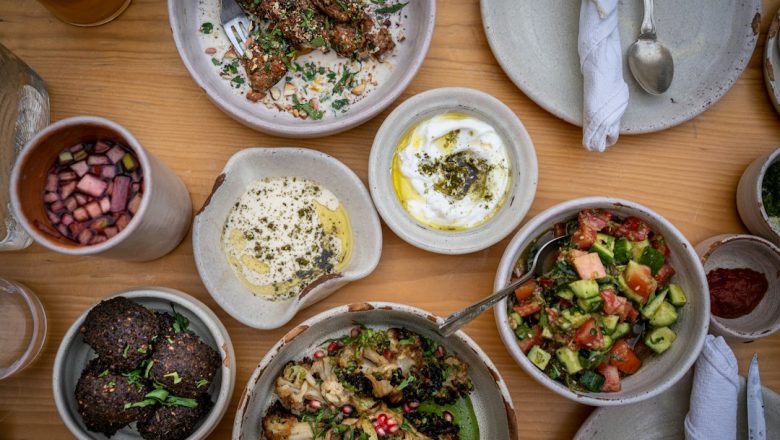
This is why cultural programming, food, design, sport and business events matter economically. They diversify the reasons to visit and give locally rooted operators a chance to participate in demand that might otherwise remain within a small number of global brands.
Talent becomes infrastructure
Hospitality is labour-intensive. As visitor volume rises, recruiting and retaining skilled staff becomes a capacity constraint in the same way that terminal space or hotel inventory can.
The test is not simply how many roles are filled. It is whether employers can build reliable career paths, train managers and maintain service standards across an increasingly varied market—from luxury resorts to budget accommodation, restaurants, event venues and tour businesses.
Technology can help with forecasting, pricing, language support and routine transactions. It cannot replace judgement, cultural fluency or recovery when a guest’s experience goes wrong.
What operators should watch
- Demand quality: average stay, repeat visits and spending across different categories—not only arrival totals.
- Seasonality: whether events and indoor experiences continue spreading demand beyond traditional peak periods.
- Service consistency: how quickly recruitment and training keep pace with new capacity.
- Network pressure: congestion and crowding at airports, transport corridors and major attractions.
- Local participation: the share of tourism demand reaching SMEs, independent cultural operators and home-grown brands.
A more mature scorecard
Dubai’s record is a substantial achievement. The most interesting story now is what the city does with that scale.
If infrastructure, talent and local enterprise expand together, tourism can deepen its contribution to the wider economy without sacrificing the convenience and service that attracted visitors in the first place. If they do not, volume can become its own constraint.
Source note: Arrival figures are official destination statistics reported by the Government of Dubai Media Office. The analysis and capacity framework are The MENA Ledger’s.
Sources: Dubai’s 2025 tourism results; August 2026 visitor update.