Qatar Is Turning Car Collecting Into Cultural Infrastructure
Luxury Systems
Car collecting is usually private by design. Value is stored in controlled garages, private museums and invitation-only communities, while the public encounters the market mainly through auctions and spectacle. Qatar’s planned Auto Museum proposes a different model: convert a deep collecting culture into a public institution for design, engineering, restoration and education.
The 30,000-square-metre museum, designed by the Office for Metropolitan Architecture led by Rem Koolhaas, will include permanent and temporary galleries as well as an innovation lab, mobility and sustainable-energy programming, a technology hub, restoration facilities and spaces for customisation and redesign.
That programme matters. It suggests the museum is not intended to be a warehouse for valuable machines. It could become infrastructure for an automotive culture that already includes collectors, racing organisations, global events and private holdings.
A collection becomes valuable when it creates knowledge
Rare cars carry multiple histories at once: industrial design, materials, manufacturing, labour, status, mobility and political power. A museum can make those connections visible in ways that a private collection cannot.
Qatar Museums’ current preview display brings together vehicles chosen for engineering, design and historical significance. One example, a Mercedes-Benz 600 used during Queen Elizabeth II’s 1979 state visit, demonstrates how an automobile can also function as an object of diplomatic and national memory.
The curatorial challenge is to resist presenting rarity as the only measure of importance. An expensive car may attract visitors, but the institution becomes meaningful when it explains why a technology mattered, how a form changed behaviour or what a vehicle reveals about the society that used it.
The restoration centre may be as important as the galleries
A restoration centre turns conservation into an active capability. It requires historians, mechanics, engineers, fabricators, materials specialists and archivists. When those skills are developed locally, the museum can support a wider ecosystem of workshops and suppliers.
Restoration also provides a natural bridge between generations. Young people who may not enter a traditional museum programme can engage through mechanics, digital modelling or industrial design. The proposed children’s driving zones and mini-mechanics activities can make the collection a point of entry rather than an untouchable display.
This reflects a broader shift explored in The MENA Ledger’s analysis of the museum as a product company. Cultural institutions increasingly have to design participation, learning and repeat visits—not simply maintain buildings and collections.
Collectors can become cultural partners
Qatar has substantial private collections, including hundreds of historic vehicles. A national institution can give collectors a structured way to lend, document and contextualise objects while preserving ownership.
That relationship needs strong governance. Curatorial decisions should not become a ranking of private wealth, and exhibitions should distinguish scholarship from promotion. Clear loan policies, independent interpretation and transparent conservation standards can turn private holdings into a public resource without compromising institutional credibility.
The museum can also help build provenance. Proper records, oral histories and technical documentation make a vehicle more useful to researchers and more valuable to future custodians.
Automotive culture is also an innovation platform
The inclusion of mobility, sustainable energy and a “Made in Qatar” innovation lab places the museum inside a debate about what comes after the combustion engine. That is more ambitious than nostalgia.
Students and startups could use the institution to explore battery systems, advanced materials, autonomous mobility, simulation and transport design. Historic vehicles demonstrate how engineering choices responded to the needs and constraints of their period. Future mobility can be presented as the next chapter rather than as an unrelated technology exhibition.
Qatar’s global motorsport and automotive events give the museum an international audience. The opportunity is to retain more knowledge around those events through residencies, design commissions, research and technical education.
The institution must develop its own voice
A museum built around globally recognised marques could easily become dependent on manufacturer narratives. Its distinctive value will come from a Qatari and regional perspective: how cars shaped the growth of Gulf cities, altered family life, enabled movement across difficult landscapes and became symbols of aspiration.
The institution should also examine the costs of automotive development—road safety, urban form, energy and environmental impact. Serious cultural infrastructure can celebrate design while still asking difficult questions about the system around it.
As Design Doha’s wider ambition demonstrates, the region increasingly wants institutions that do more than host international work. The Qatar Auto Museum can contribute by commissioning regional designers, documenting local histories and building specialised skills.
Qatar is not short of important cars. The strategic opportunity is to turn possession into capability: a museum that creates knowledge, trains people and connects collectors with the public. If it succeeds, automotive luxury will become the entry point—not the final subject.
Sources
- Qatar Museums: Qatar Auto Museum
- Qatar Museums: 2026 preview exhibition
- Qatar Museums: collectors and automotive community
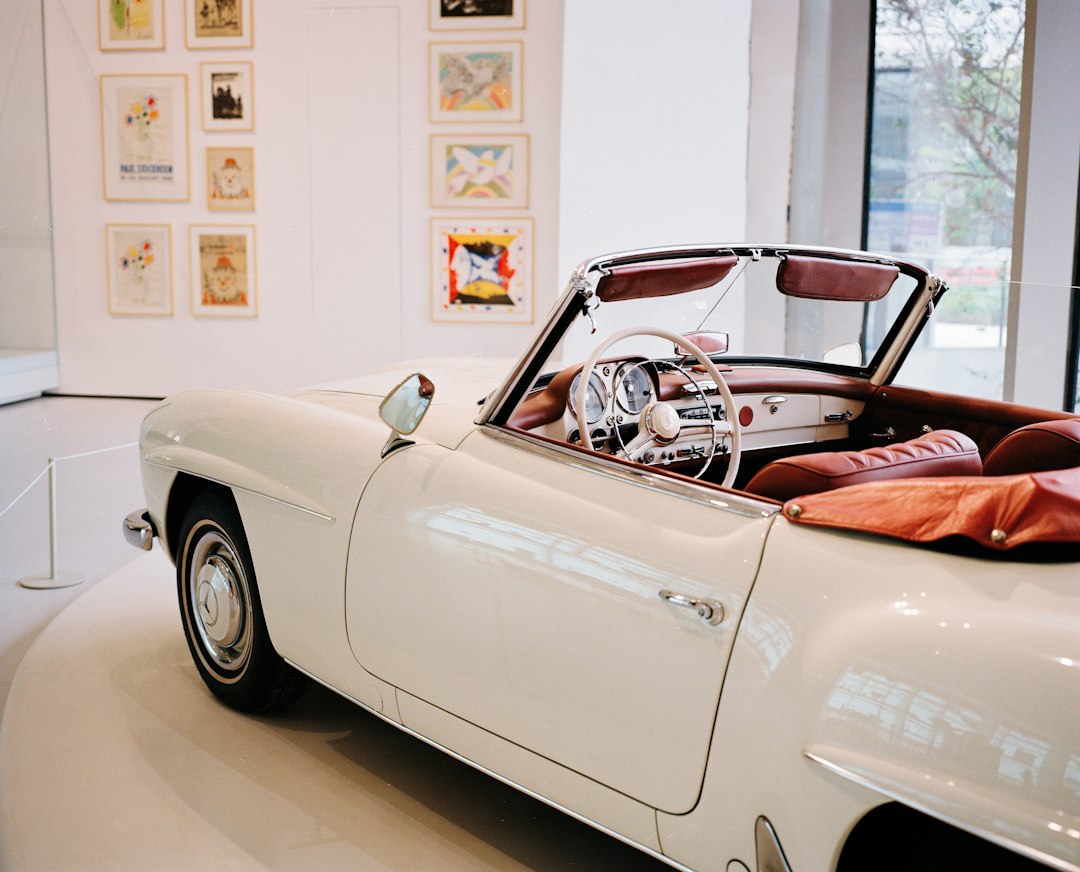
Featured image: Zhen Yao / Unsplash. Image is illustrative.