Studio Economics
Fashion weeks are built to concentrate attention. For several days, collections, cameras, buyers, sponsors and cultural conversation gather in one place. The images travel immediately. The commercial results take longer to appear.
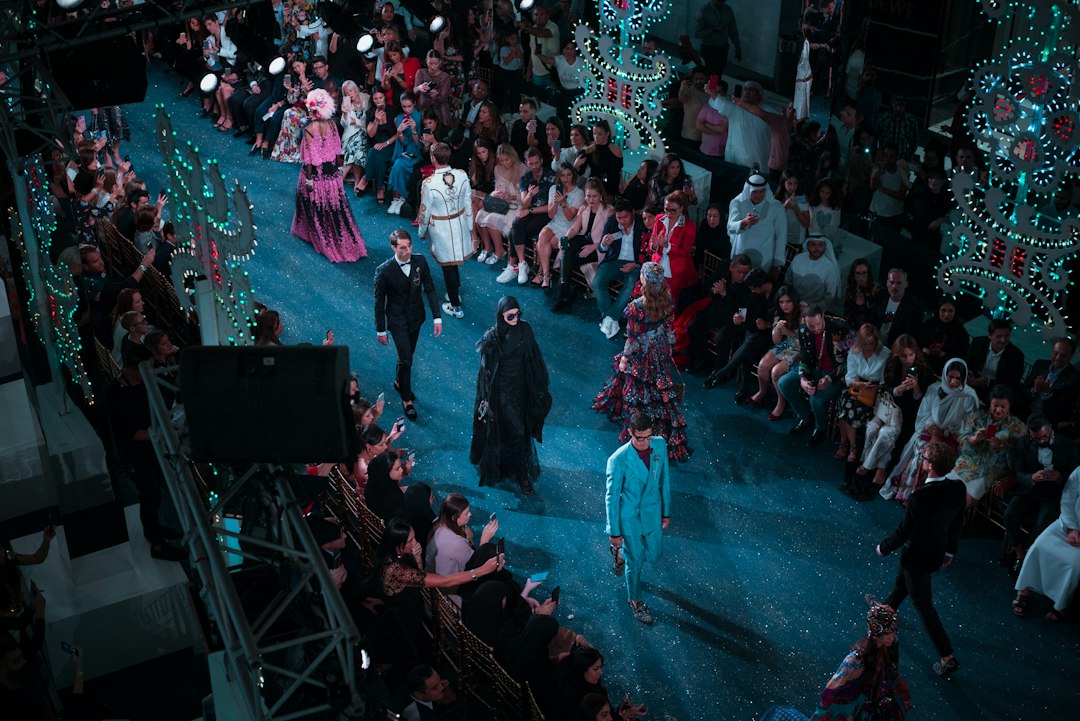
Dubai Fashion Week returns to Dubai Design District from 22 to 26 October 2026 for its Spring/Summer 2027 edition. Its programme includes runway presentations, showroom appointments, designer previews and a dedicated Buyers Programme intended to connect brands with retailers and industry decision-makers.
That last element is the one that matters most to the long-term health of Dubai’s fashion economy. A fashion week becomes an industry platform when attention is converted into orders, and when those orders can be produced and delivered profitably.
Visibility is only the first conversion
A designer can leave a successful show with thousands of social interactions and no reliable wholesale pipeline. This is not a contradiction. Editorial attention, consumer excitement and commercial readiness are different stages of the same journey.
Buyers ask questions that a runway does not answer. What are the wholesale and retail prices? Which pieces are carryovers rather than seasonal experiments? What are the minimum quantities? When will the collection ship? Can the brand replenish a strong seller? What happens if fabric becomes unavailable?
The answers reveal whether a label is operating as a creative project or a durable company. Both can produce beautiful clothes. Only one is ready for repeat commercial relationships.
The showroom may be more important than the show
Runways create narrative. Showrooms create examination. A buyer can touch the fabric, check construction, compare price points and see whether a collection makes sense on a rail rather than in motion.
This is why Dubai Fashion Week’s appointments and previews deserve as much attention as its front row. The commercial value of the platform will depend on the quality of buyers it attracts, the time they spend with regional brands and the mechanisms that continue after the event.
A strong buyers programme should do more than produce introductions. It should help designers understand assortment planning, wholesale terms, delivery calendars and the information retailers require before placing an order. It should also help international buyers navigate a regional market that cannot be reduced to occasionwear or a single idea of modest fashion.
Dubai has the consumer, but regional brands still need systems
The Gulf is already an important luxury market. Chalhoub Group research found that quality is a major purchase driver across fashion, beauty, watches and jewellery, while social media is a dominant source of inspiration. GCC consumers are travelled, informed and familiar with international houses.
That sophistication creates both opportunity and pressure. A local label is not competing only with its neighbours. It is being assessed against brands encountered in Paris, Milan, London and online. Cultural relevance may earn initial interest, but product quality, service and consistency determine whether the customer returns.
Dubai offers several advantages: international logistics, tourism, retail infrastructure, a large expatriate market and proximity to high-spending regional customers. Yet those advantages do not automatically solve the problems inside a young brand. Production finance, inventory risk, merchandising and management capability remain decisive.
Fashion leadership is operational
Creative leadership is often described as vision. In fashion, it is also the ability to choose what not to produce, to protect cash, to build a team and to recognise when a dramatic runway piece should remain a statement rather than become inventory.
The strongest regional labels will pair a clear design language with an operating model suited to their scale. Some will pursue international wholesale. Others may be stronger as direct-to-consumer businesses, appointment-based ateliers or limited-production houses. Success does not require every brand to follow the same path.
It does require clarity. A label built for private clients should not accept wholesale terms that damage service and margin. A label seeking global stockists must design its development calendar around buyer deadlines rather than local event dates alone.
The metrics that matter
Dubai Fashion Week should ultimately be assessed through evidence that extends beyond attendance. How many participating brands secured qualified buyer meetings? How many received orders? How many delivered those orders on time? How many buyers returned the following season? How many labels expanded into additional markets without losing financial control?
Publishing more of that information would strengthen the platform. It would also shift the conversation from whether Dubai can stage a global fashion week—it clearly can—to whether it can build a global fashion business environment.
The runway is the visible beginning of that process. The real work starts when the lights come up, the samples move into the showroom and a buyer asks when the collection can arrive.
Sources
- Dubai Design District: Dubai Fashion Week Spring/Summer 2027
- Dubai Design District and The Business of Fashion: Dubai fashion opportunity
- Chalhoub Group: GCC personal luxury research
Featured image: Michael Lee / Unsplash. Image is illustrative.