The GCC Beauty Consumer Is Ready. Where Are the Science-Led Regional Brands?
Luxury Systems
The Gulf does not need to be convinced to care about beauty. Consumers are highly engaged with fragrance, skincare, ingredients, trends and premium retail. The region’s next opportunity is not simply to sell more international products. It is to build science-led regional brands capable of owning formulations, evidence and intellectual property.
A 2026 report commissioned by Beautyworld Middle East and produced by BeautyMatter projects that the region’s beauty market could approach US$21 billion by 2030. It describes prestige and luxury as growing faster than global averages, supported by young consumers, tourism and increasingly sophisticated online and physical retail.
Earlier Chalhoub Group research found beauty to be the fastest-growing category in the GCC personal-luxury market, with skincare producing particularly strong growth while fragrance remained the largest share of prestige beauty.
The demand signal is clear. The question is where regional companies will capture value.
A brand story is no longer enough
Beauty has a relatively low barrier to visual entry. Attractive packaging, an evocative founder story and outsourced formulations can bring a product to market quickly. That speed has created a crowded field in which many brands look premium before they have developed a reason to remain relevant.
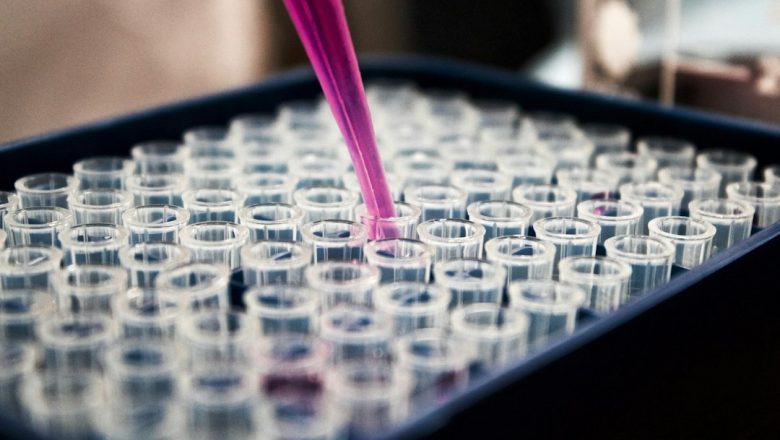
Science-led does not necessarily mean operating a large laboratory from the first day. It means owning a disciplined product thesis. Which problem is the brand solving? For whom? What evidence supports the ingredients and concentration? How will performance be tested, documented and improved?
A regional skincare company could build expertise around heat, humidity, sun exposure, pigmentation or the interaction between intensive indoor cooling and outdoor climate. A haircare brand could address water quality, covering practices and texture diversity. A fragrance company could combine cultural fluency with stronger work in material innovation and longevity.
The opportunity is specificity supported by evidence.
Climate knowledge can become intellectual property
International beauty brands adapt products to different markets, but their research priorities are necessarily global. A GCC-based company can begin with regional conditions and build outward.
That requires data. Consumer testing should reflect local climates and routines. Claims must survive regulatory review. Product development should include stability testing under high temperatures, packaging compatibility and clear ingredient documentation.
Over time, this work creates assets that are more defensible than a social-media following: proprietary formulations, testing protocols, supplier knowledge and a trusted relationship with customers who see their needs reflected in the product.
Retail access is an advantage—and a trap
The Gulf has sophisticated malls, beauty specialists, pharmacies, department stores and digital platforms. Access to those channels can help young brands scale quickly. It can also expose weaknesses in working capital and inventory planning.
A retailer may place an opening order, but the brand must finance production before receiving payment. Promotions reduce margin. Product returns and expiry create risk. Rapid expansion into several markets introduces different registration processes, languages and distribution agreements.
Creative founders therefore need operating partners who understand formulation, regulation, supply chain and finance. Beauty leadership is not only the ability to identify a trend. It is the discipline to reject products that do not strengthen the brand’s core expertise.
Fragrance offers a model, but not a shortcut
Fragrance has deep cultural relevance across the GCC and remains the largest component of prestige beauty in Chalhoub’s market research. Regional houses possess knowledge of oud, layering, gifting and scent as a form of personal identity.
Yet global success still requires more than cultural authenticity. It requires consistent raw materials, controlled maceration and production, distinctive perfumery, international compliance and distribution that protects positioning.
The strongest regional beauty companies may learn from fragrance’s confidence while avoiding the temptation to replicate its imagery. Skincare, cosmetics and haircare need their own scientific and aesthetic languages.
The next beauty leader may look like a technology company
As the market matures, successful brands will need better consumer data, formulation management, traceability and personalisation. Artificial intelligence can help identify patterns or improve recommendations, but it cannot compensate for weak products or biased testing.
The real technology advantage is a tighter learning loop: listening to customers, analysing outcomes, reformulating intelligently and documenting what changes. Companies that build that capability can expand across markets without abandoning the knowledge that made them relevant.
The GCC already has consumers, retailers and capital. What it needs now are more brands that treat beauty as applied science, cultural design and disciplined commerce at the same time.
Sources
- Beautyworld Middle East and BeautyMatter: 2026 GCC beauty market report
- Chalhoub Group: GCC personal luxury research
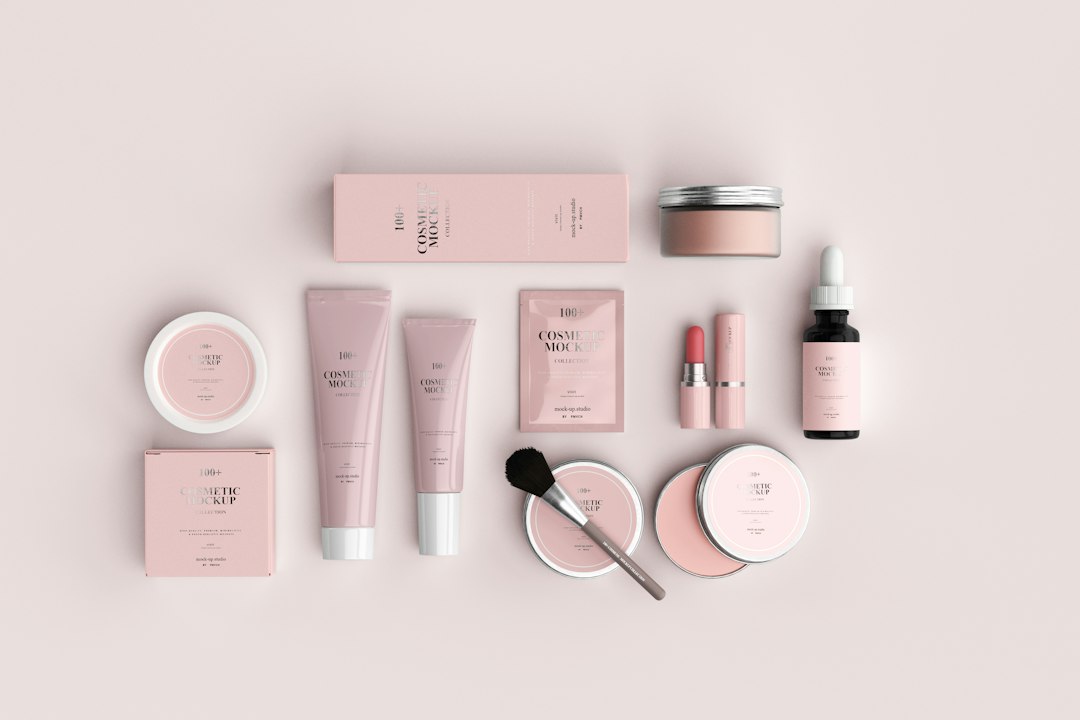
Featured image: pmv chamara / Unsplash. Image is illustrative.