Can Design Doha Become the Infrastructure Arab Designers Lack?
The Creative Operator
Design festivals are excellent at making creative work visible. They gather objects, ideas and people into a concentrated public moment. What designers need after that moment is infrastructure: the systems that help a prototype become a product, a practice become a studio and a regional reputation become an international career.
Design Doha, established by Qatar Museums in 2024, is positioning itself as a major platform for contemporary design across the Arab world. Its 2026 headline exhibition, Arab Design Now, connects designers, artisans and makers through what the organisers describe as networks of material intelligence. The projects extend from Doha to Nubian homes, Jordanian textile waste and the threatened marshlands of southern Iraq.
The geographic range is important. The greater opportunity is to turn this visibility into a durable design ecosystem.
The region does not lack design talent
Arab designers work across furniture, architecture, fashion, graphics, digital products, craft and public space. Their challenge is frequently fragmentation. A studio may have a strong idea but limited access to specialist fabrication. An artisan may possess exceptional material knowledge but lack distribution. A graduate may find exhibitions but no clear path to sustained commissions.
A regional platform can connect these parts. Yet connection must become more than networking. Designers need contracts, technical partners, production planning, pricing guidance, intellectual-property support and introductions to buyers who commission work.
The distinction is the difference between showcasing a creative economy and operating one.
An exhibition can act as research
Arab Design Now appears strongest where it treats design as knowledge rather than decoration. Material practices reveal how communities respond to climate, scarcity, waste, migration and domestic life. A textile, vessel or building technique can contain generations of experimentation.
Documentation protects that knowledge, but archives should not freeze it. Designers need to study techniques, test them with new tools and credit the communities from which they emerge. Institutions can establish better practices around attribution, collaboration and the sharing of commercial value.
Design Doha could become an important regional archive if it records processes as seriously as finished objects: interviews, drawings, material samples, failures and production methods. Such an archive would support education and future commissions long after the physical exhibition closes.
The missing link is production
Many collectible design objects are difficult to reproduce beyond a first prototype. Costs are unclear, materials vary and the relationship between designer and maker may depend on personal trust rather than documented specifications.
A platform connected to fabrication labs, workshops and manufacturers could help studios develop limited editions or commercially viable product lines without abandoning experimental practice. The goal would not be mass production for every object. It would be giving designers informed choices about scale.
This is particularly valuable in a region investing heavily in hospitality, museums and public space. Those projects create demand for furniture, lighting, wayfinding, textiles and commissioned installations. Procurement can become a powerful form of cultural policy when regional designers are given serious briefs, fair terms and enough time to deliver.
Creative leadership means building markets
The leadership of a design institution is measured not only by its programme but by the relationships it builds. Which designers receive repeat commissions? Which workshops gain stable work? Which schools gain access to archives? Which regional galleries and retailers develop the confidence to represent design?
Buyers also need education. Collectible design sits between art, furniture and functional object, and the basis of its value may not be obvious. Clear information about edition size, materials, authorship, fabrication and care can make the market more credible.
International visibility is useful, but the regional collector base matters just as much. A sustainable Arab design economy cannot depend entirely on recognition elsewhere.
From biennial to backbone
Design Doha can become more than a recurring cultural event if it operates between editions. Residencies, archives, production partnerships, commissions, school programmes and market development would give the platform continuity.
The Arab world does not need a single design centre controlling the field. It needs connected centres that allow knowledge, opportunity and talent to move across borders. Doha can be one of those anchors.
The ultimate test will not be how many designers appear in an exhibition. It will be how many are running stronger studios two years later—and whether the systems around them have learned to value design as both cultural intelligence and economic work.
Sources
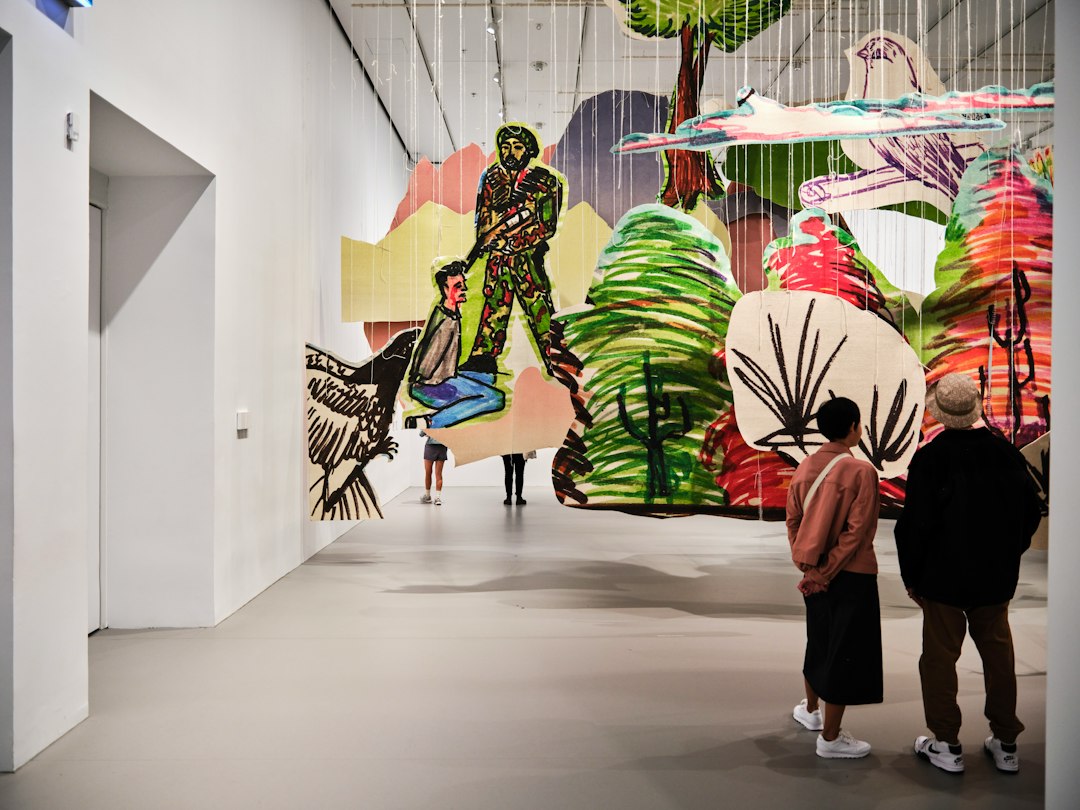
Featured image: Neon Wang / Unsplash. Image is illustrative.