Luxury Systems
Egypt’s tourism conversation is entering a new phase. Visitor growth is returning, hotel development is accelerating and the Grand Egyptian Museum has created a powerful new anchor. Capacity matters, but the country’s larger economic opportunity lies in what happens between arrival and departure.
Officially highlighted forecasts put 2026 arrivals at roughly 20.2 million and project continued growth toward 23.8 million by 2030. Egypt also accounts for a large share of Africa’s hotel pipeline, with about 46,000 rooms under construction in 2026.
More rooms can absorb demand. They do not automatically create a coherent trip, higher spending or a reason to return. That requires experience design: the deliberate coordination of transport, information, hospitality, food, retail, culture and service across the visitor journey.
The unit of competition is the journey
Travellers do not experience a tourism strategy. They experience the airport queue, transfer, booking confirmation, museum entrance, street crossing, guide, meal, hotel room and payment problem. Each moment may be managed by a different organisation, but the visitor judges the destination as a whole.
Egypt’s range is an advantage—Cairo, the Nile, Red Sea, Mediterranean coast, desert landscapes and religious and archaeological heritage can support very different trips. The difficulty is connecting them clearly.
Better itinerary design can increase both length of stay and spending without forcing every visitor into the same route. Reliable domestic connections, integrated ticketing, useful multilingual information and transparent booking are economic infrastructure, not cosmetic improvements.
The Grand Egyptian Museum should distribute value
The Grand Egyptian Museum is expected to attract millions of visitors annually. Its success should be measured partly by what it activates beyond its own walls.
Hotels, guides, restaurants, designers, publishers, transport companies and cultural venues can build products around the museum, but only if the surrounding ecosystem makes discovery easy. Visitors need well-designed reasons to continue into historic Cairo, contemporary galleries, neighbourhood food, craft and other regions.
A museum of that scale can become a platform, echoing The MENA Ledger’s argument that museums are becoming product companies. It can commission design, support publishing, license research responsibly and create programming that changes throughout the year.
Luxury is reliability before extravagance
Egypt’s tourism minister has emphasised the country’s ability to move toward luxury tourism. Luxury in this context should not be reduced to suite size or imported finishes.
For many travellers, the premium is certainty: a car that arrives, a guide who understands the subject, a room that matches the booking, respectful access to a site and rapid resolution when something fails. These basics create trust and justify higher prices.
Egypt has deep hospitality traditions and a large workforce. The constraint is consistency across operators. Training should cover service recovery, languages, digital systems and cultural interpretation—not just front-of-house presentation.
This is the same operational truth facing Dubai’s hotel sector: claims become valuable only when customers can verify them through experience.
Hotel pipelines need local economic links
New hotels can generate jobs and accommodate growth, but their local impact depends on procurement and programming. Properties can buy Egyptian food products, tableware, textiles, furniture, art and amenities while creating routes for independent restaurants and cultural operators to reach guests.
These relationships must meet quality and delivery standards. Local sourcing is not a substitute for reliability. Developers can help suppliers reach those standards through longer contracts, clearer specifications and earlier involvement in the design process.
Distinctive local products also prevent hotels from feeling interchangeable. A guest should understand why the experience belongs in Cairo, Luxor, Aswan, Siwa or the North Coast rather than in any global resort.
Digital convenience should reveal the country
E-visas and improved digital arrival systems reduce friction. The next layer is discovery. Too much travel information remains fragmented across unofficial pages, messaging conversations and inconsistent booking tools.
A useful digital experience should help visitors compare routes, understand opening conditions, find licensed guides and book trusted services. It should also make smaller operators visible without requiring them to master international performance marketing.
Artificial intelligence may improve personalisation, but the underlying information has to be current and structured. A sophisticated recommendation system cannot compensate for incorrect hours, unavailable inventory or unclear pricing.
Growth should be measured by value, not crowds
Headline arrivals matter to employment and foreign-currency earnings. Yet volume can become destructive when infrastructure, sites and communities carry more pressure without capturing more benefit.
Egypt should therefore track length of stay, regional distribution, repeat visits, satisfaction, local procurement and spending across different types of experiences. Those measures reveal whether growth is strengthening the wider economy.
The country already possesses one of the world’s strongest tourism narratives. The competitive task is to make the contemporary journey worthy of the history. More hotel rooms are necessary. The bigger prize is a destination system that turns extraordinary assets into a reliable, generous and intelligently designed experience.
Sources
- Egypt State Information Service: tourism outlook to 2030
- Egypt State Information Service: 2026 arrivals, revenues and hotel pipeline
- Egypt State Information Service: visitor-experience strategy
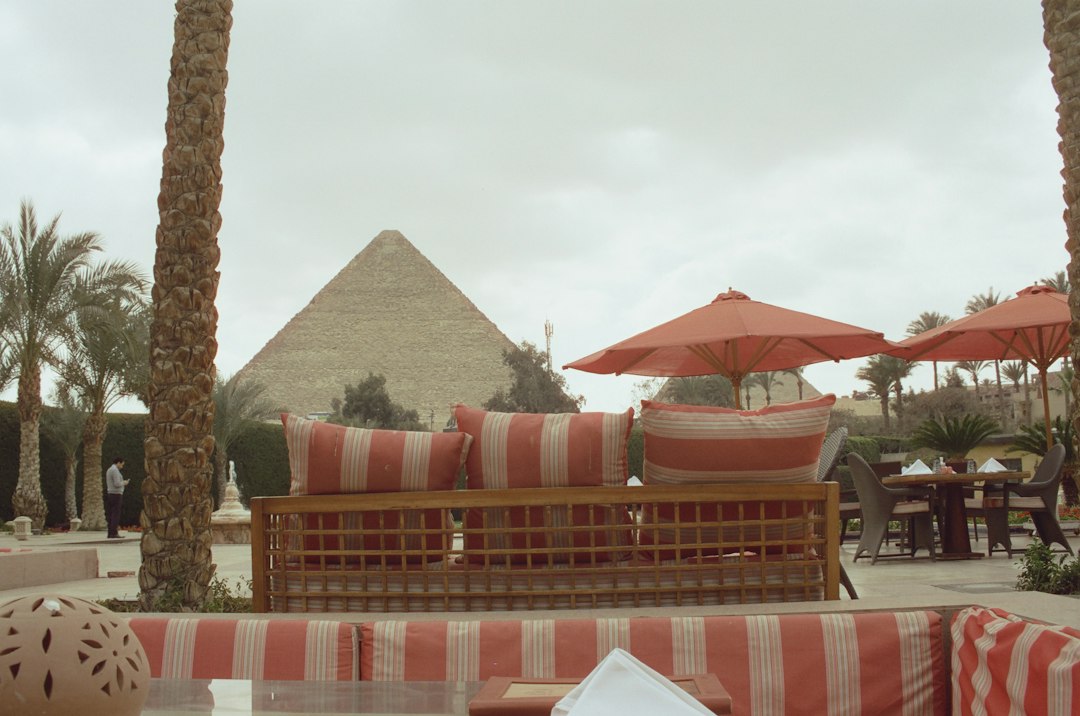
Featured image: Benjamin Taman / Unsplash. Image is illustrative.